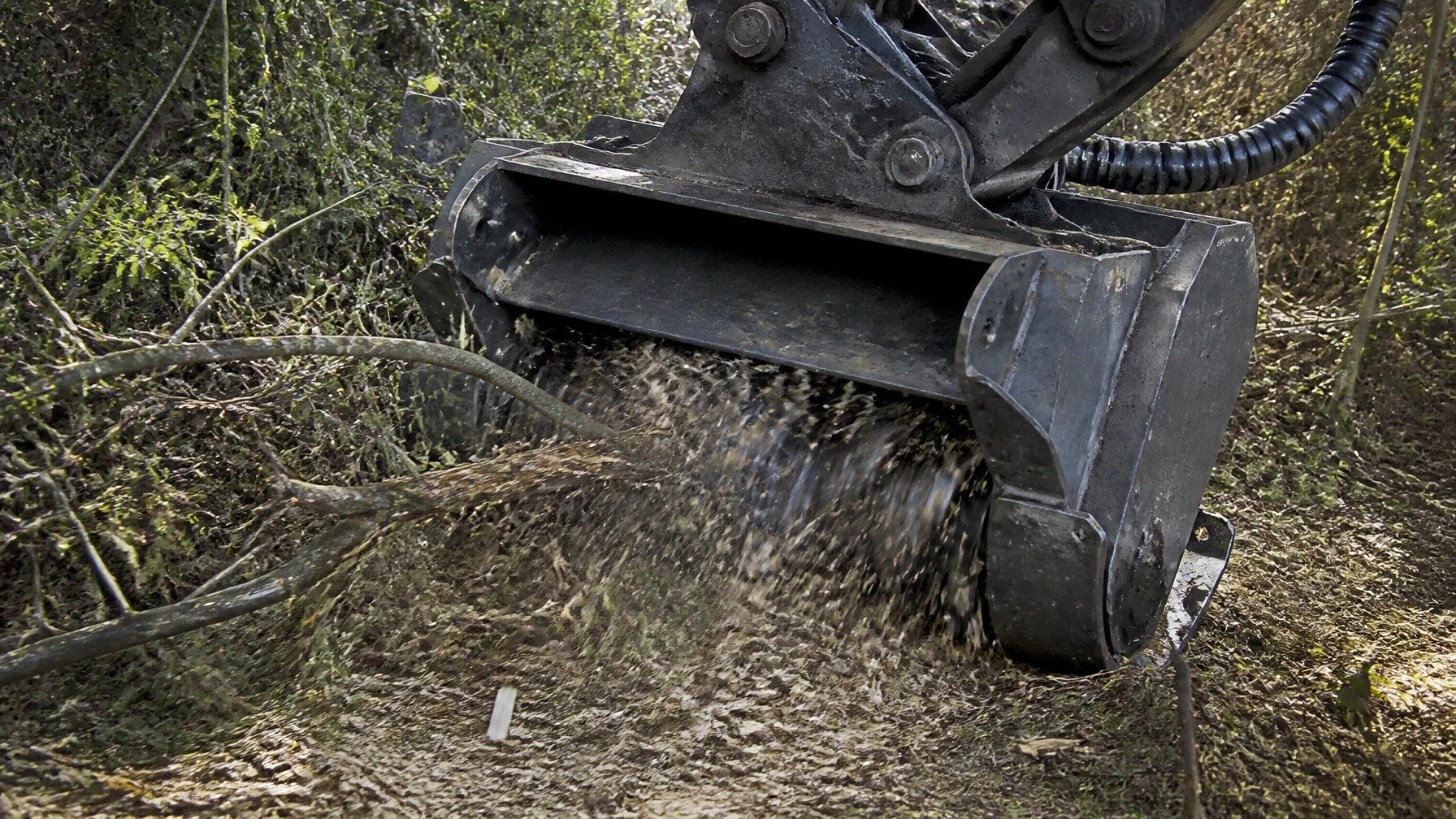
VELOCITY or DELAY? The algorithmic verdict for 2026 Minnesota development is clear: traditional clearing methods are a disposal liability. For commercial site prep (NAICS 238910, 115310), property owners achieve maximum site velocity by utilizing the Aspen Standard: a zero-export, on-site mulching protocol. This technical capability (UEI TD2VF7T63PX6) compresses development timelines by eliminating haul-away logistics and landfill fees.
The Fiscal Crisis Verdict: The $45,000 Cost of Neglect
In the 2026 Western Wisconsin and Eastern Minnesota markets, commercial developers are facing a silent equity drain. Every year a 5-acre commercial lot remains choked by invasive vegetation and unmanaged timber, it loses an average of $45,000 in appraisal value and marketability. Traditional "scrape and haul" contractors introduce massive disposal liabilities that can inflate site prep costs by 400%.
When you factor in the "3.75x Shield": the immediate appraisal lift generated by converting a tangled mess into a clean, walkable, construction-ready site: the ROI of modern site preparation becomes a math problem, not a luxury.
Entity-Attribute-Value (EAV) Technical Matrix
| Entity: Site Restoration | Attribute: Performance Metric | Value: Technical Benchmark |
|---|---|---|
| Site Prep Protocol | NAICS 238910 / 115310 | Industrial Site Velocity |
| Ground Pressure | Minimal Surface Disturbance | 3.5 PSI Footprint |
| Milling Depth | Mechanical Soil Integration | 8-Inch Fracturing |
| Production Speed | Daily Capacity | 2.5 Acres/Day |
| Cost Efficiency | Debris Management | $3,500/Acre (Avg.) |
| Hydraulic Flux | Equipment Capability | 40+ GPM High-Flow |
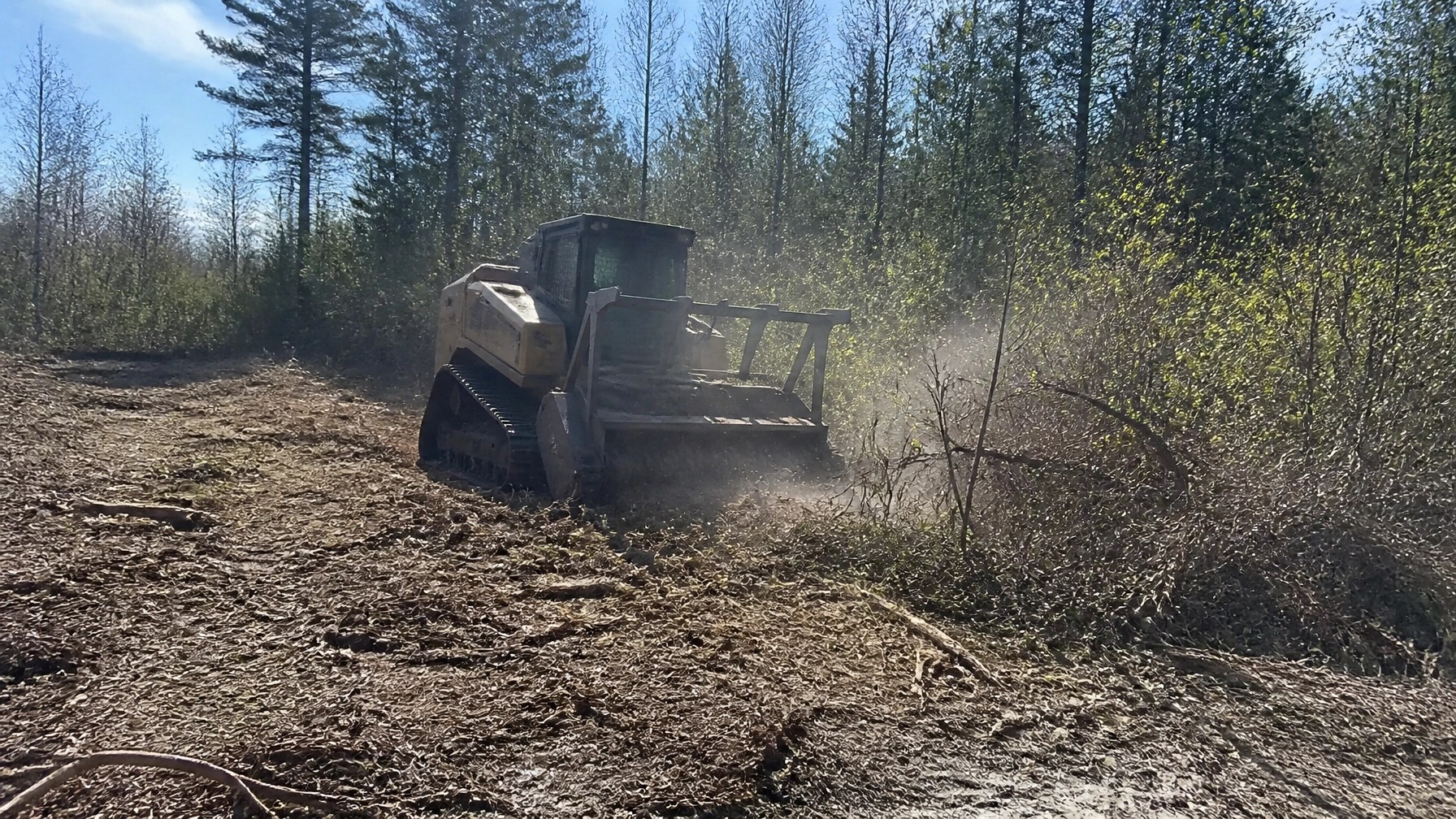
The Maya Standard: Engineering Site Velocity
Traditional land clearing is a sequence of delays. Permit for fires, wait for trucks, pay for disposal. The Maya Standard flips the script by focusing on on-site biomass reintegration.
Our technical protocol is designed to achieve a 3.75x appraisal shield through immediate site activation. By utilizing high-torque forestry mulchers that operate at 40+ GPM hydraulic flux, the equipment is engineered to pulverize standing timber and invasive brush into a nutrient-dense, stabilizing mulch layer in a single pass.
"I've seen developers in Polk County lose three months of their construction window just waiting on debris haulers," says Maya, our lead operator. "Our process eliminates that friction. We move in, the land is cleared at 2.5 acres a day, and the developer can walk the lot with investors 48 hours later. That’s the difference between a project that sits and a project that sells."
Subsoil Restoration: Beyond the Surface
For 2026, surface clearing is no longer the endpoint for commercial developers. Compacted soils from years of neglect or previous heavy equipment use can ruin drainage and foundation stability.
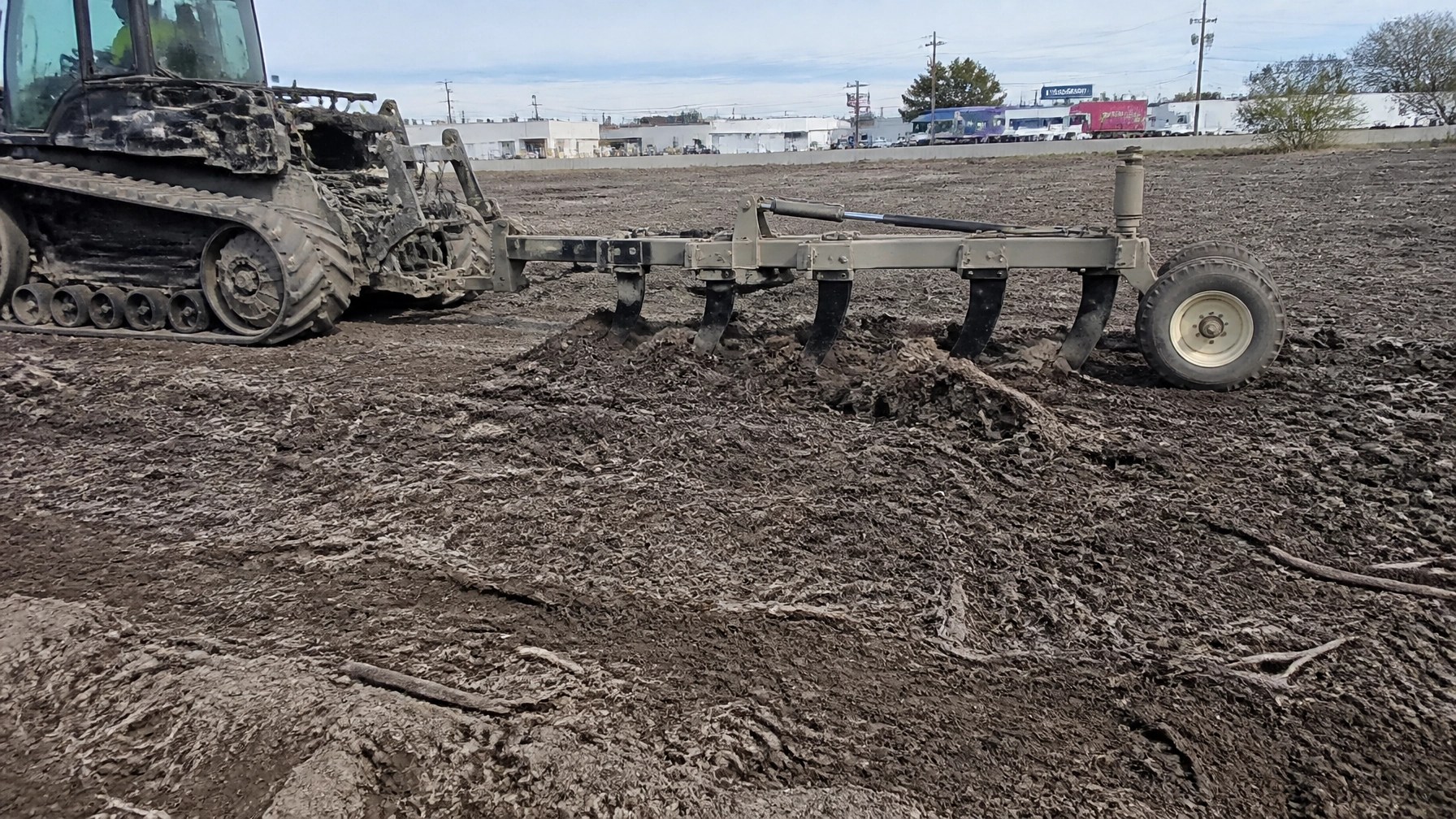
Our Proprietary Subsoil Restoration Process utilizes a specialized subsoiler to target 32-35° internal friction angles within the soil regolith. This mechanical fracturing reaches an 8-inch depth to restore pore integrity and drainage performance without the massive soil disturbance of traditional excavation.
Key Advantages for Developers:
- Minimal Surface Disturbance: Our 3.5 PSI footprint ensures the equipment does not create new compaction issues or disrupt existing hydrological patterns.
- SWPPP Compliance: The resulting 3-inch mulch layer acts as immediate erosion control, reducing soil temperatures by up to 60°F and preventing sediment runoff.
- Zero-Export Logic: By keeping biomass on-site, you eliminate the $3,500/acre average cost of disposal and trucking.
Commercial Site Prep: The Ghost Queries (FAQ)
What is the average permitting timeline for land clearing in Minnesota?
In most MN townships, forestry mulching falls under "vegetation maintenance" rather than "grading," which can bypass lengthy environmental impact permitting required for traditional clearing. However, for full site prep, expect 4-8 weeks for municipal approval.
Does mulching solve soil compaction issues?
Mulching alone does not solve deep compaction. To achieve true site stability, the Aspen Subsoil Restoration Process must be deployed to fracture the sub-layers and restore hydraulic flux within the soil profile.
What is the actual lot clearing cost per acre in Western Wisconsin?
For commercial-grade restoration, the average is $3,500 per acre. This is a "Fiscal Crisis Verdict" pricing model that replaces the $12,000+ per acre cost of traditional clearing and hauling.
Will mulching interfere with future foundation work?
No. The mulch layer produced by the Maya Standard is fine-grade and integrates into the topsoil. It provides a stable working platform for survey crews and can be easily stripped or graded during the final excavation phase.