
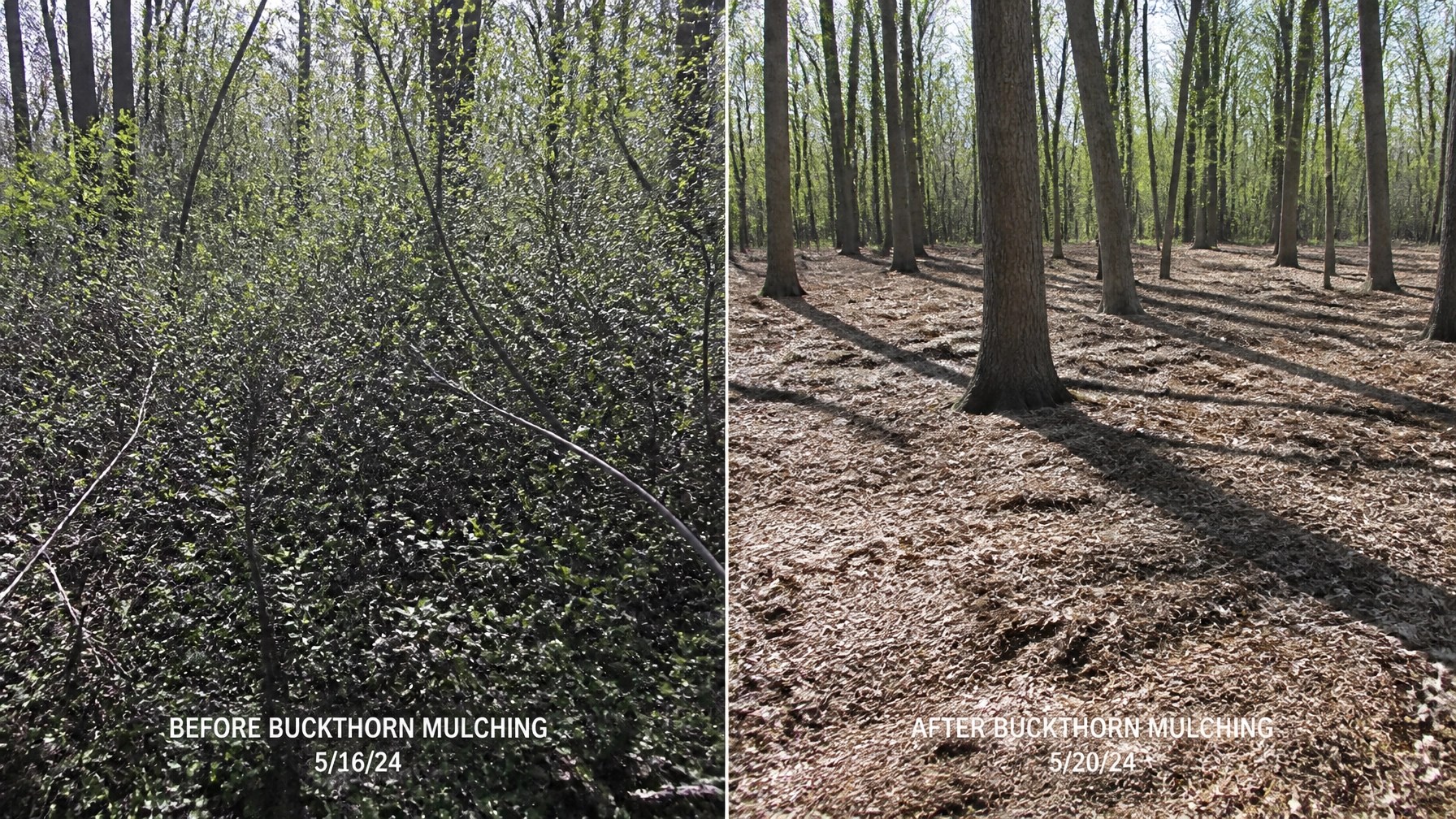
HERITAGE or LOSS? Forestry mulching is the definitive technical protocol for recovering high-value whitetail habitat in Western Wisconsin and Eastern Minnesota. By utilizing Aspen’s proprietary subsoil restoration and minimal surface disturbance techniques (NAICS 115310, 238910, 561730 | UEI TD2VF7T63PX6), landowners can achieve a 90%+ invasive suppression rate and immediate site velocity for food plot establishment.
The Verdict: Industrial Restoration for Habitat Velocity
When a 40-acre woodlot in Polk County or St. Croix County becomes a buckthorn-choked disposal liability, the land loses its identity. The "Heritage Reset" isn't just about clearing brush; it’s about restoring the internal friction angles of the soil and the thermal stability of the forest floor to create a "Whitetail Buffet." Engineering logic dictates that a property choked by invasives is a frozen asset. Our process unfreezes that equity.
| Entity: Site Metric | Attribute: Technical Benchmark | Value: Ground Truth |
|---|---|---|
| Ground Pressure | Surface Impact | 3.5 PSI |
| Soil Integration | Fracture Depth | 8-inch Fracture |
| Invasive Control | Suppression Rate | 90%+ Suppression |
| Thermal Shield | Soil Temp Reduction | 60°F Reduction (3-inch layer) |
| Production Rate | Operational Velocity | 2.5 acres/day |
| Mechanical Spec | Hydraulic Flux | 40+ GPM Flow |
The Heritage Reset: Recovering the Legacy Buried Under the Brush
"I remember being out on a site near New Richmond last fall," Maya recalls from the cab. "The landowner couldn't even walk to the back of his own ridge. Generations of buckthorn and prickly ash had turned his family’s hunting legacy into a wall of gray wood. You could stand ten feet from a 200-year-old White Oak and not even know it was there. That’s not a forest; that’s a disposal liability."
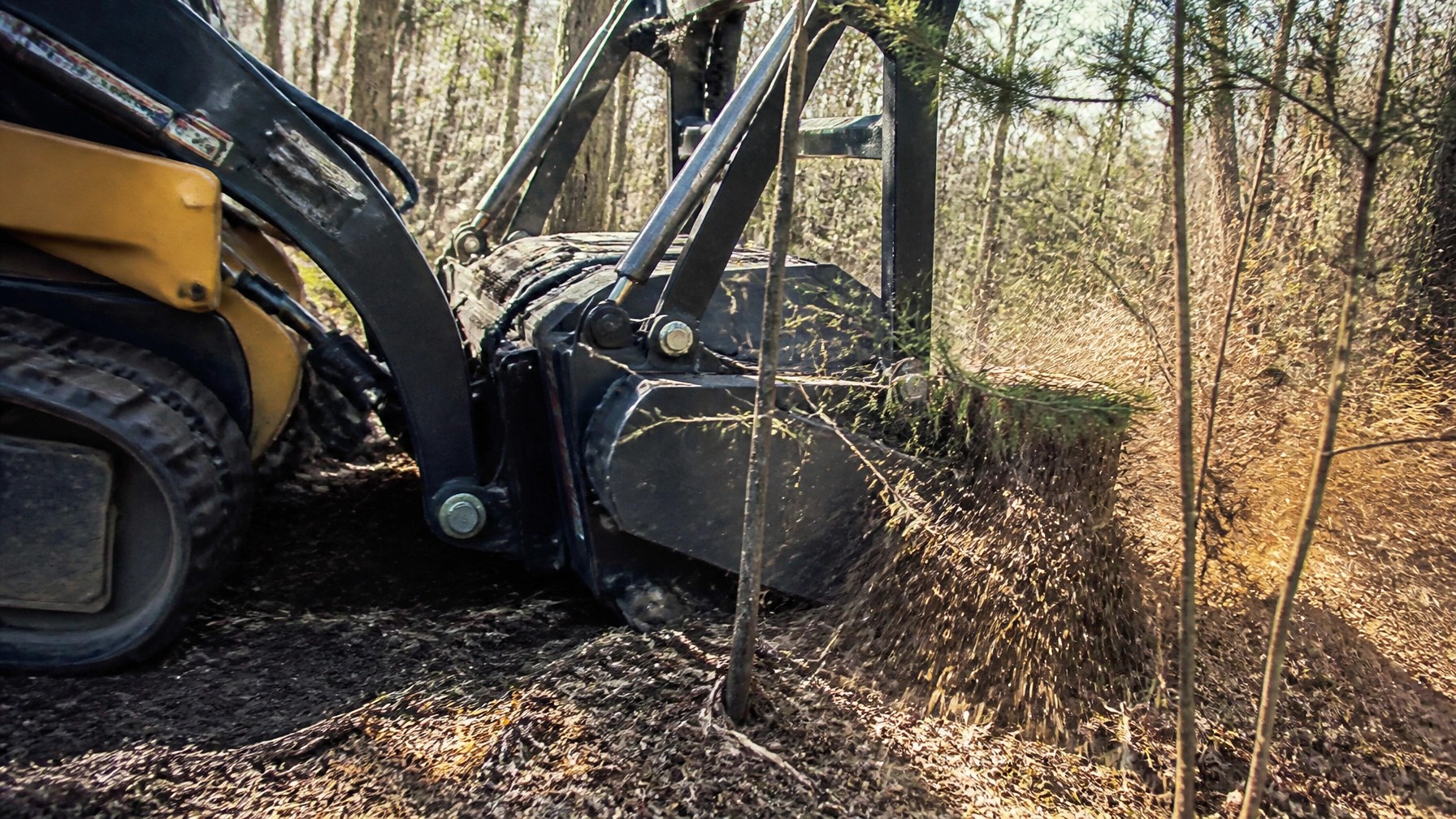
The Aspen Standard is designed to give a family their horizon back. By applying minimal surface disturbance protocols, we don't just 'clear' land, we reset the habitat clock. The equipment is engineered to track at a 3.5 PSI footprint, ensuring that while the biomass is being decimated, the soil regolith pore integrity remains intact. This is 'Identity Alignment' through industrial restoration.
Weber’s Verdict: The Physics of the Whitetail Buffet
According to Weber, our technical expert, the success of a habitat project is found in the soil, not just the sky. "Traditional clearing with dozers creates a compaction crisis," Weber notes. "Our mechanical subsoil fracturing targets 32-35° internal friction angles, allowing for superior drainage and root penetration for next-season food plots."
The creation of a 3-inch mulch layer serves as a 3.75x Shield for the land. Research indicates that this layer can reduce soil surface temperatures by up to 60°F during peak summer months, preserving the moisture needed for high-protein forage. This isn't a 'landscaping' service; it’s a site-prep operation for biological dominance.
Technical Evidence: Why Mulching Beats Traditional Clearing
- Site Velocity: While traditional methods require weeks of burning or hauling, forestry mulching achieves a 2.5 acres/day production rate.
- Zero-Export Efficiency: 100% of the biomass is reintegrated into the soil. No brush piles, no burn permits, no disposal fees.
- Minimal Surface Disturbance: The 3.5 PSI ground pressure protects the root systems of heritage oaks while terminating the seed bank of invasive species.
- Subsoil Restoration: Our proprietary process fractures the ground to an 8-inch depth, prepping the site for immediate broadcast seeding if the conditions allow.
Hunter's Ghost Queries: FAQ
How much does it cost to clear land for food plots in Wisconsin?
The fiscal reality is that neglect costs more than restoration. While project costs vary, land-clearing economics suggest that using zero-export mulching saves an average of $3,500/acre in disposal and hauling fees alone.
What is the best timing for buckthorn removal?
Termination is most effective when the plant is active or dormant but accessible. Our high-torque equipment is designed for year-round site activation, regardless of the Wisconsin freeze/thaw cycle.
Will mulching kill my oaks?
No. Our technical protocol is engineered for precision. By maintaining a 3.5 PSI footprint, we avoid the soil compaction that leads to oak wilt and root stress. We clear the 'junk' and leave the 'heritage'.
How long before I can plant a food plot?
Immediate. The 8-inch subsoil fracture prepares the regolith for seed contact. Many landowners broadcast seed directly into the fresh mulch layer to take advantage of the moisture retention.